

Quick answer
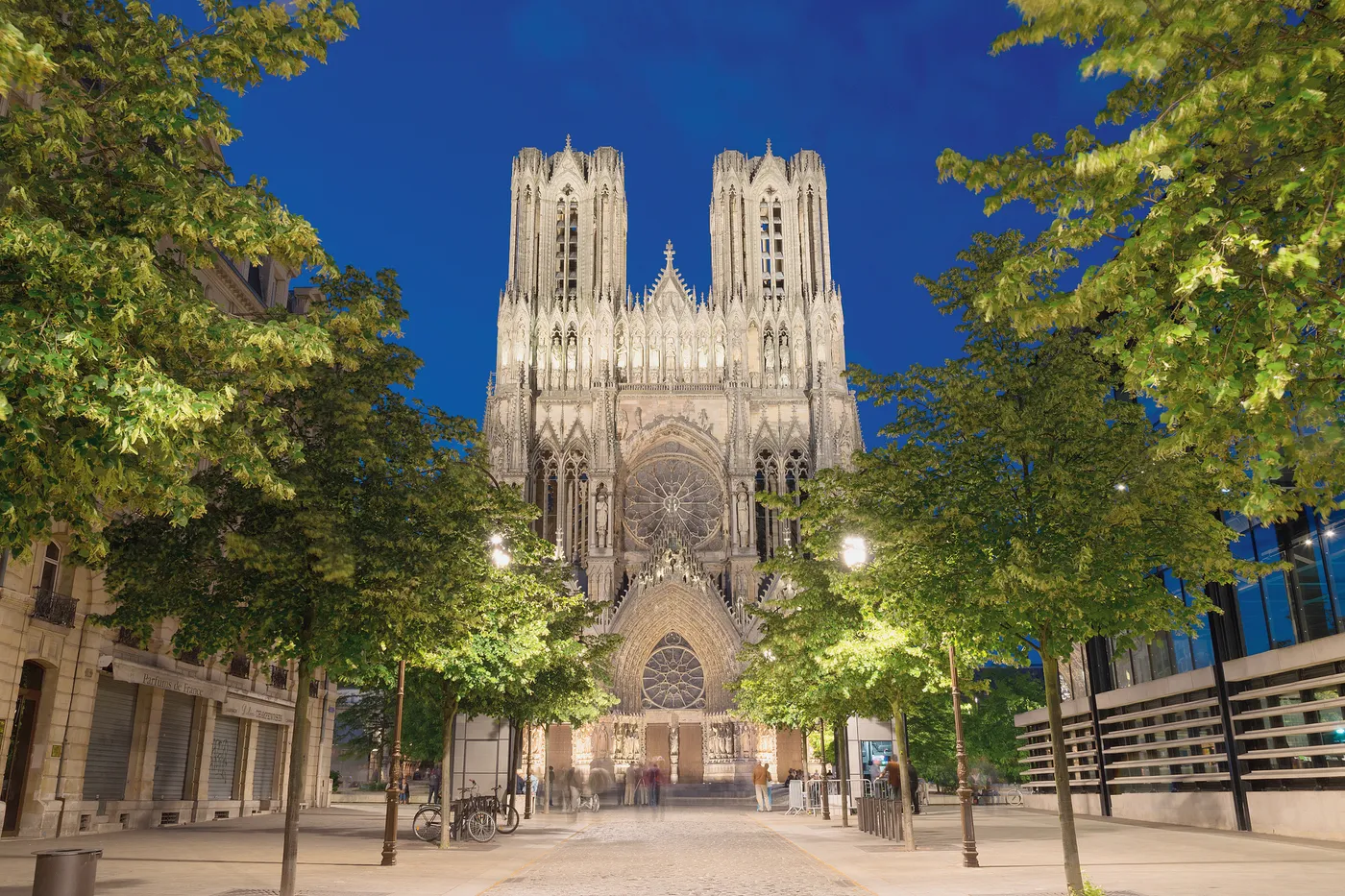
Reims accommodation clusters in three zones: the cathedral quarter for immediate access to Taittinger, Veuve Clicquot, and pedestrian streets; the train station area for regional mobility and budget options; and Tinqueux-Bétheny suburbs for car-dependent travelers visiting outlying estates. Most visitors prioritize the historic center, where cobbled lanes connect champagne houses, the UNESCO-listed Notre-Dame cathedral, and Place Drouet d'Erlon's brasseries within a fifteen-minute radius.
Reims holds the highest concentration of grande marque champagne houses of any city in the region, with sixteen cellars offering public tours within municipal limits. The city's lodging geography divides cleanly: stay central to walk between tastings, or stay peripheral to store cases in your car and drive the Route Touristique du Champagne daily. The cathedral quarter anchors most first-time strategies. Rue de Vesle, Rue Chanzy, and the streets radiating from Place Royale host boutique hotels in renovated 18th-century townhouses alongside international chains. You can reach Taittinger's chalk cellars in eight minutes on foot, Mumm in twelve, and Pommery's Elizabethan estate in eighteen. The quarter's density means limited parking—most properties offer valet agreements with public garages at fifteen to twenty euros per night. Evening access to Place Drouet d'Erlon's thirty-plus restaurants requires no taxi. The Gare de Reims-Centre district, ten minutes west of the cathedral, tilts toward functional efficiency. Lodging here costs fifteen to thirty percent less than equivalent rooms in the historic core, and TER trains to Épernay depart every ninety minutes for vineyard day trips. The tradeoff: you will walk twenty minutes or take a tram to reach the cathedral and its surrounding maisons. This zone suits travelers threading Reims into a multi-city itinerary who value rail proximity over immersive atmosphere. Tinqueux and Bétheny, Reims's northern suburbs, cater to drivers touring the Montagne de Reims appellations. Chain hotels here provide free parking and breakfast, but you sacrifice walkability—every champagne house, restaurant, and monument requires a car. The setup works for visitors spending days in Hautvillers, Bouzy, or Aÿ who need Reims only as a sleeping base, not a destination. Deciding where to stay in Reims Champagne ultimately reflects whether you are visiting the city or using it as a launch point for the vineyards beyond its limits.
“Reims holds the highest concentration of grande marque champagne houses of any city in the region, with sixteen cellars offering public tours within municipal limits.”
The Best Arrival Window When Deciding Where to Stay in Reims Champagne
The best arrival window for checking into hotels and navigating the city center is 09:00–18:00. Aligning your travel with these hours ensures smooth access to accommodations and services across Reims.
Late Spring (May–June)
Moderate crowdsMild, 15°C to 22°C. Ideal conditions for walking between city center hotels and local sites.
Harvest Season (September)
High visitor volumeWarm, 14°C to 21°C. Demand for accommodation peaks during the grape harvest, so early booking is necessary.
Late Autumn (October)
Lower visitor volumeCool, 8°C to 16°C. Fewer tourists provide quieter streets and better availability for central lodging.
Winter (November–February)
Lowest visitor volumeCold, 2°C to 7°C. Hotel rates are often more competitive during these colder months.
Verdict: Plan your arrival between 09:00–18:00 during the shoulder months of May or October to balance favorable weather with manageable lodging demand.
City Center vs Vineyard Estates: Where to Stay in Reims Champagne
Choosing where to stay in Reims depends on whether you prioritize proximity to historic urban landmarks or the tranquil, immersive experience of the surrounding Champagne vineyards.
|
Top pick City Center Hotels Urban convenience |
Vineyard Estates Rural immersion | |
|---|---|---|
| Proximity to Sights | 0 km to Reims Cathedral | 5–15 km to vineyards |
| Transport Access | High public transit connectivity | Requires private vehicle or taxi |
| Atmosphere | Active and historical urban environment | Quiet and scenic landscape |
| Dining Options | Wide variety of restaurants and cafes | Primarily estate-based or nearby village dining |
| Ease of Arrival | Direct access via central station | Requires transfer from Reims center |
Verdict: Stay in the city center for maximum accessibility to cultural sites and transport, or choose vineyard estates for a quiet, landscape-focused retreat.
Dining Near Where to Stay in Reims Champagne
Dining in Reims ranges from refined establishments near the city center to casual local markets perfect for gathering regional ingredients. Choosing accommodation in the city heart provides immediate access to both high-end culinary institutions and accessible bistros.
Place du Forum
€€–€€€restaurant
Located in the historic center, this area features numerous dining terraces surrounding the square. It is ideal for visitors staying in central hotels seeking immediate evening options.
Les Halles du Boulingrin
€–€€market
This covered market offers regional produce and local cheeses, situated a short walk north of the main commercial district. It is a practical choice for those preferring self-catering or picnic supplies.
Rue de Vesle
€€street
As a primary thoroughfare in Reims, this street hosts a variety of cafes and brasseries catering to commuters and tourists alike. It serves as a central hub for quick meals near most city accommodations.
Boulevard Lundy
€€€restaurant
Positioned near several upscale hotels, this area is known for established dining rooms that focus on traditional French cuisine. It provides a quieter atmosphere compared to the bustling pedestrian zones.
A Checklist for Where to Stay in Reims Champagne
Secure your stay and confirm a few logistics before arrival to make the most of your visit to Reims.
-
Book accommodation well in advance
-
Hotels near the cathedral and champagne houses fill quickly, especially during harvest season (September–October).
-
Check passport and visa requirements
-
EU citizens need only an ID card; other nationals should verify visa rules for France before booking.
-
Confirm your booking confirmation details
-
Print or save digital copies of hotel reservations, including addresses and contact numbers for check-in.
-
Verify train or car rental reservations
-
Reims is best reached by TGV from Paris or by car; confirm your transport booking matches your hotel check-in window.
-
Note hotel check-in and check-out times
-
Most Reims hotels check in from 15:00 and check out by 11:00; early or late arrangements may require advance notice.
-
Pack identification for hotel registration
-
French hotels require a valid passport or EU ID card at check-in for all guests.
Check availability
Frequently asked questions about where to stay in reims champagne
Everything you need to know about where to stay in reims champagne